
Category
Critical Design
Type
Academic / Independent
Timeline & Stage
April - July 2023

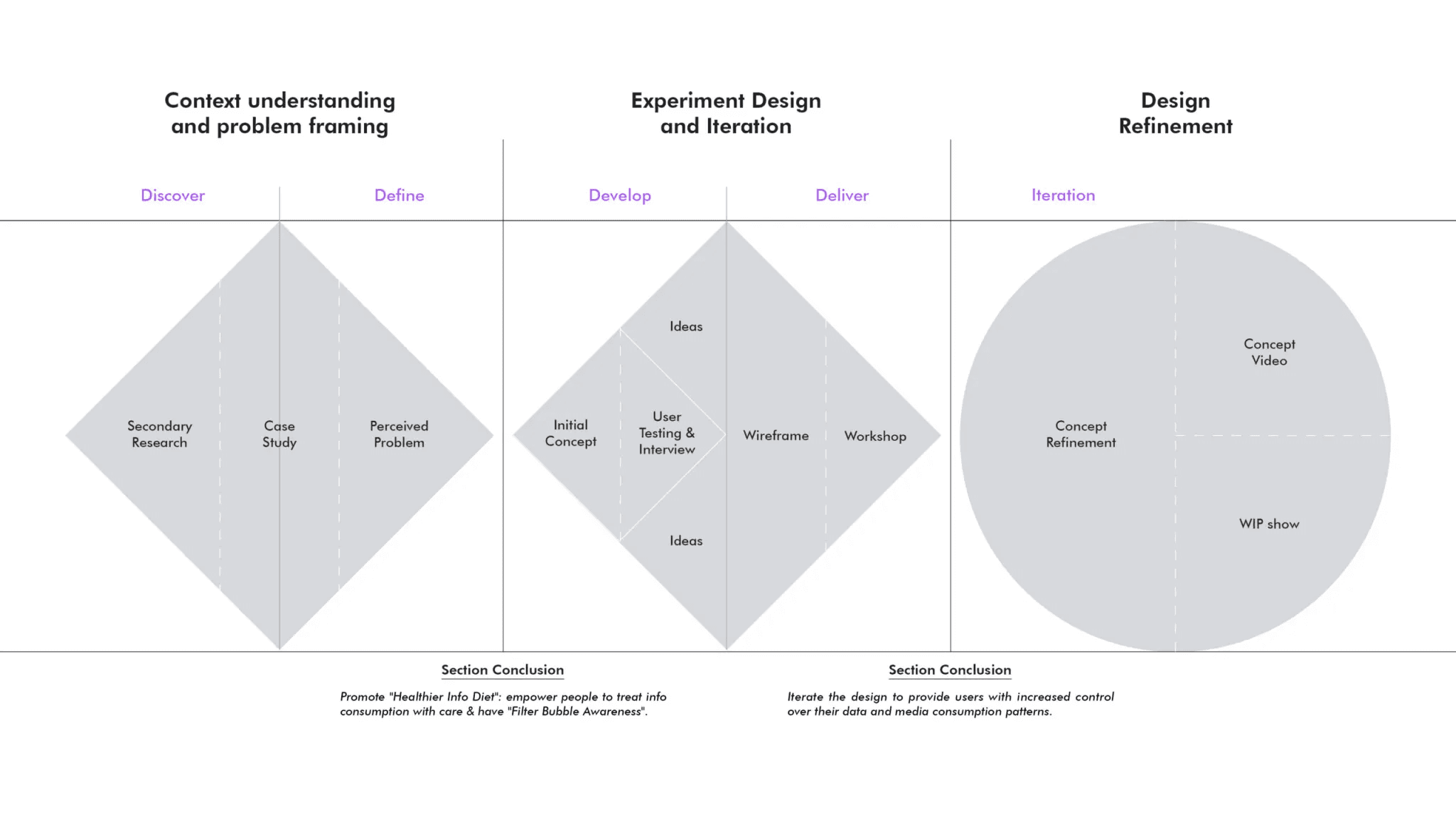
Design Process
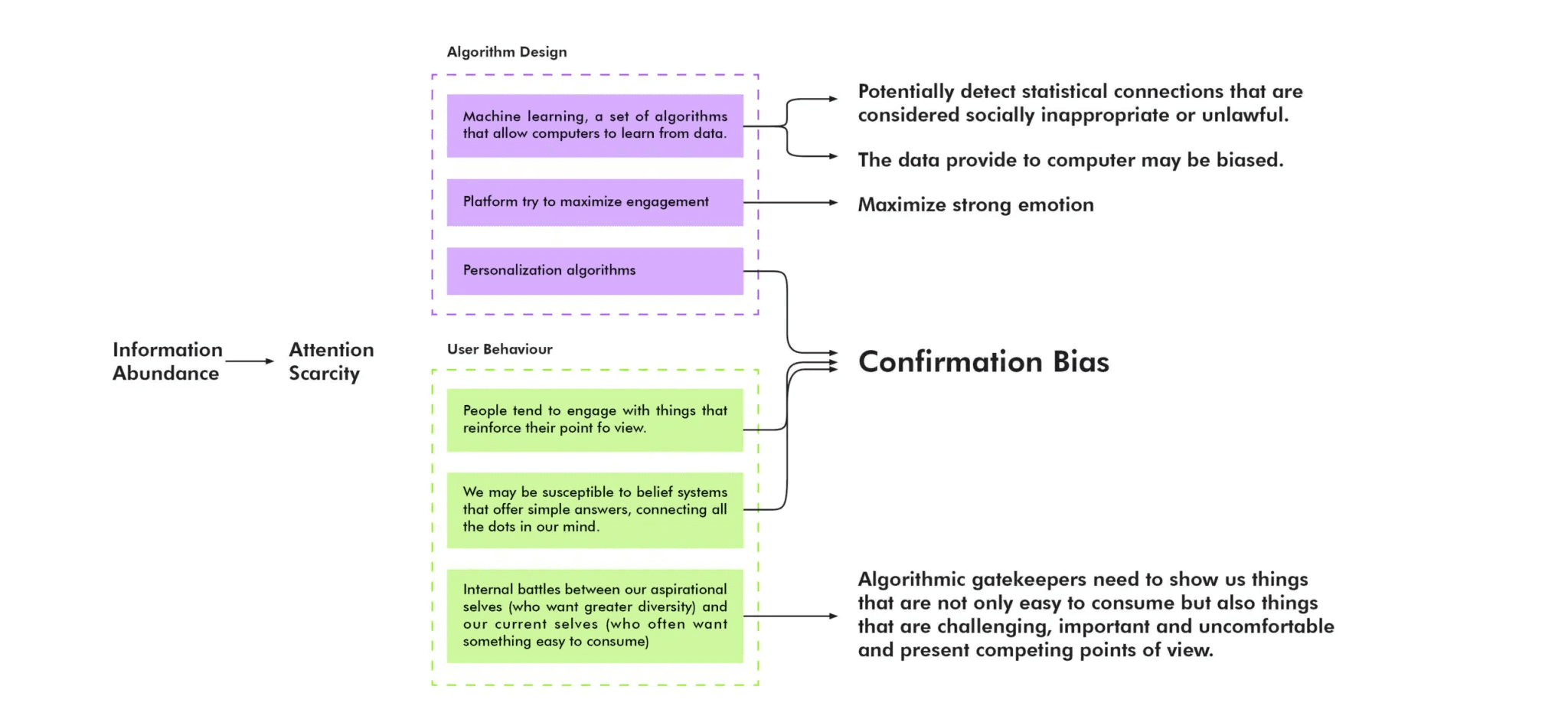
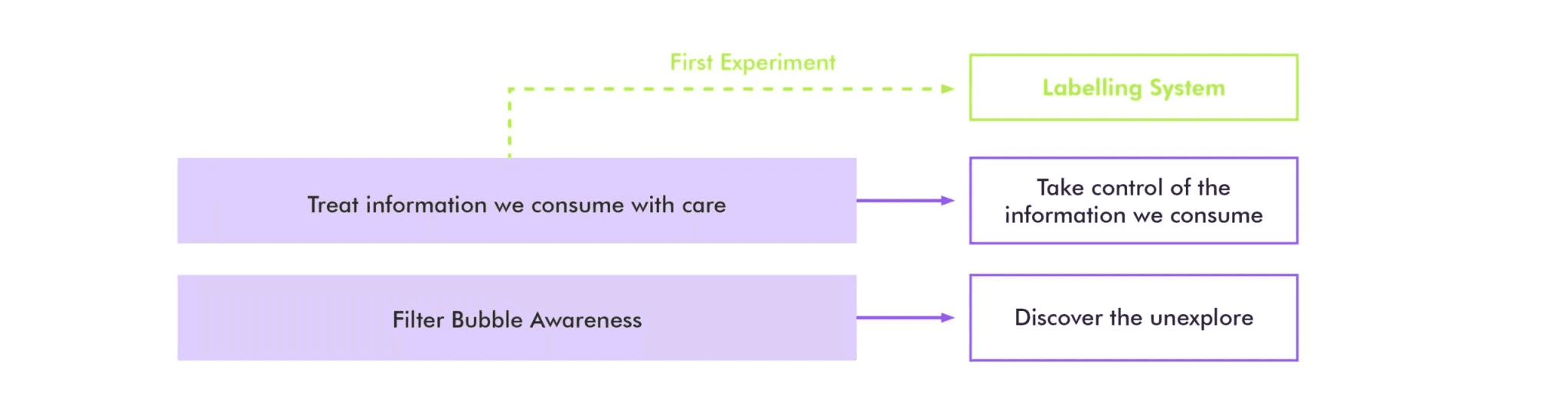
Goal Define
Experiment & Workshop
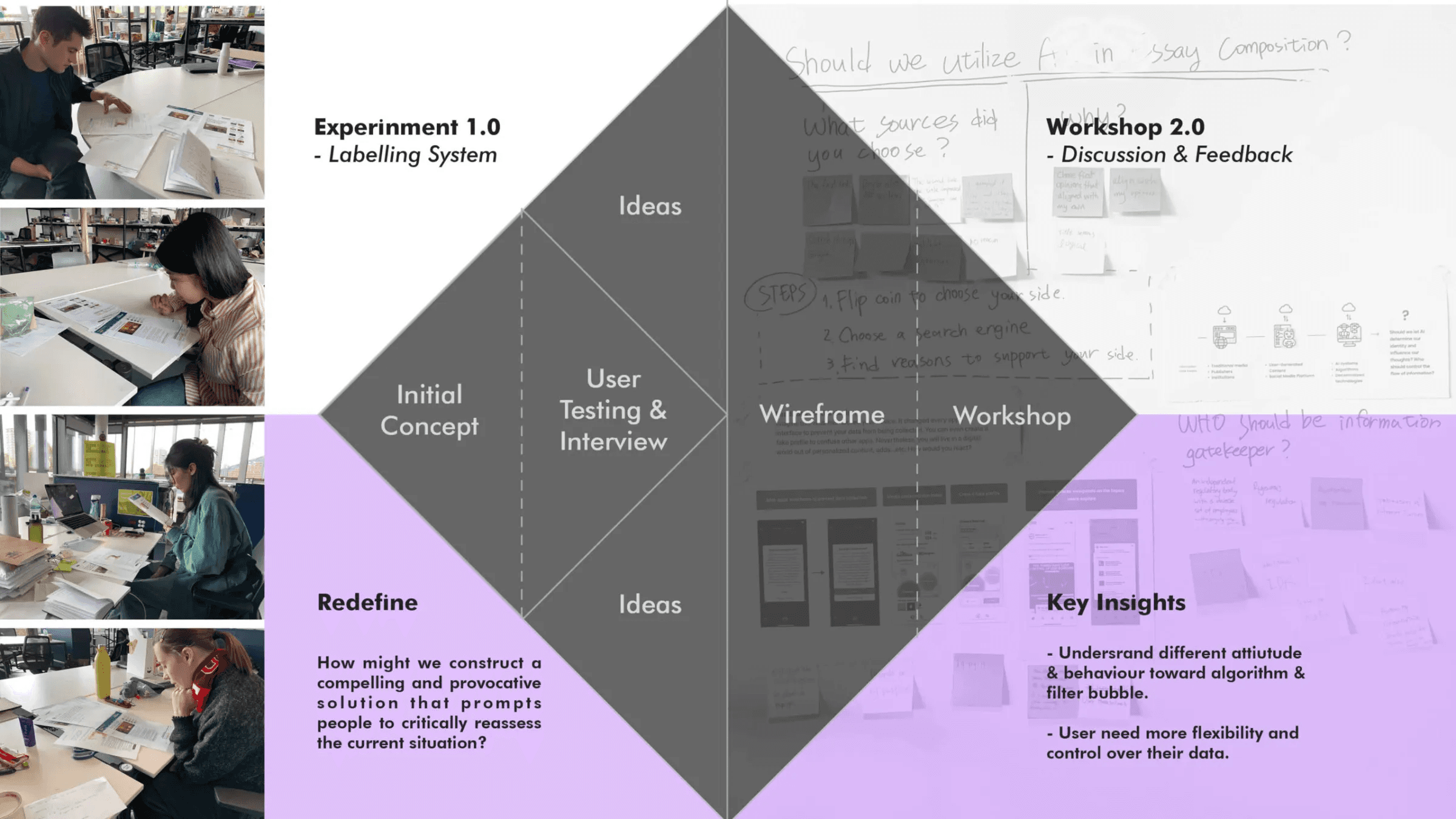
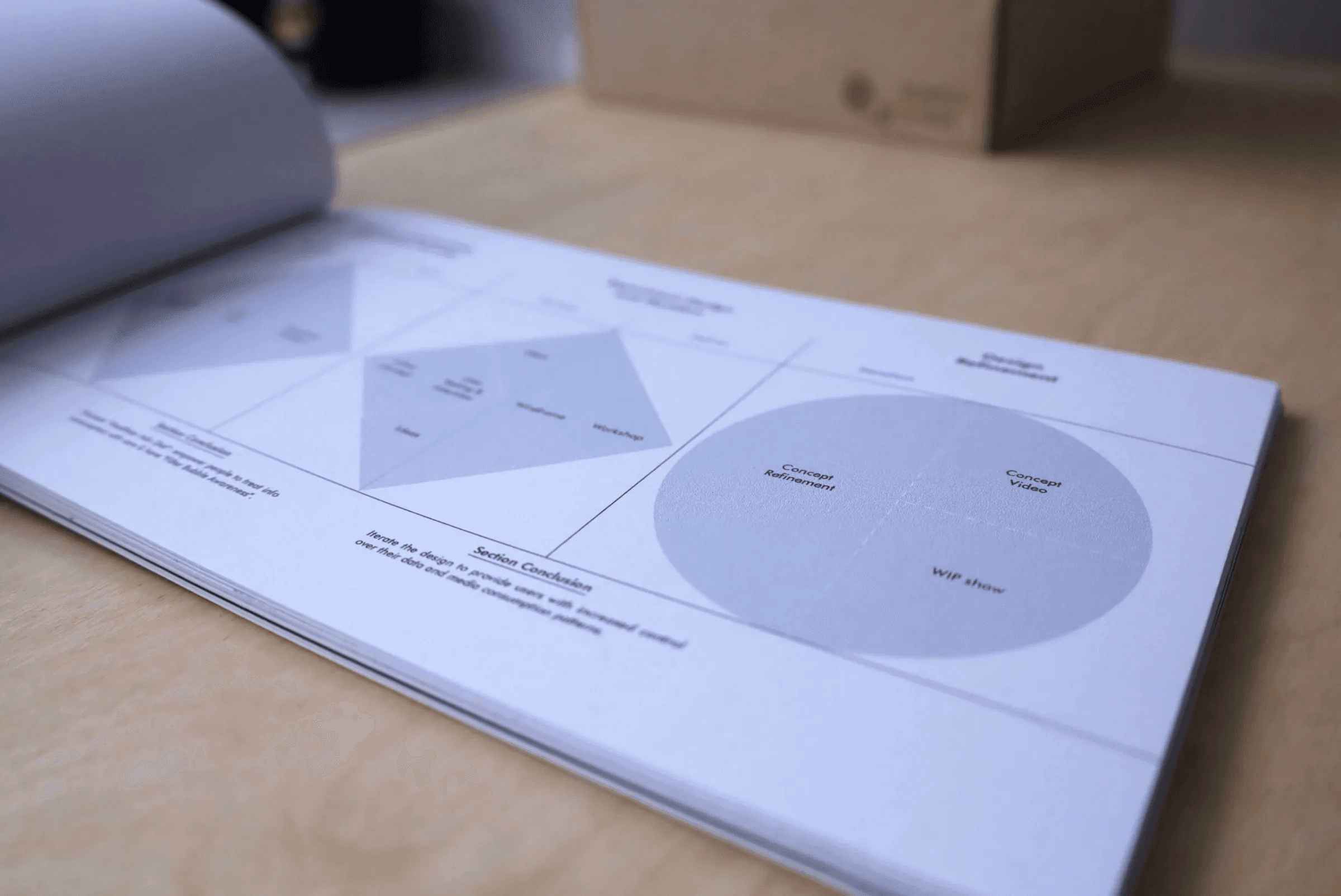
In RCA, students are encouraged to embrace the unknown and failure in the design process. Thus, I started quickly with a small labelling system experiment and got feedback from the participants.
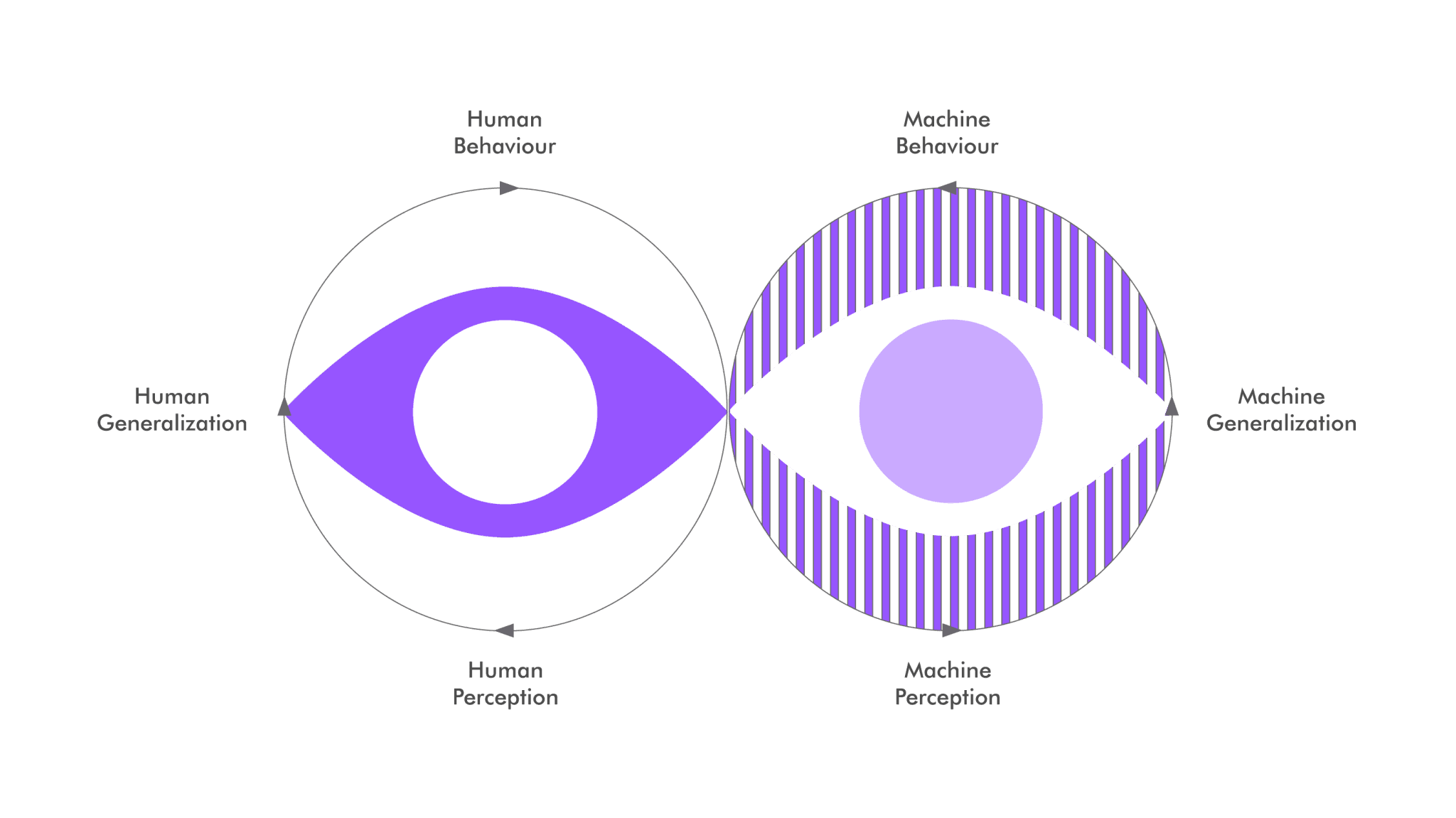
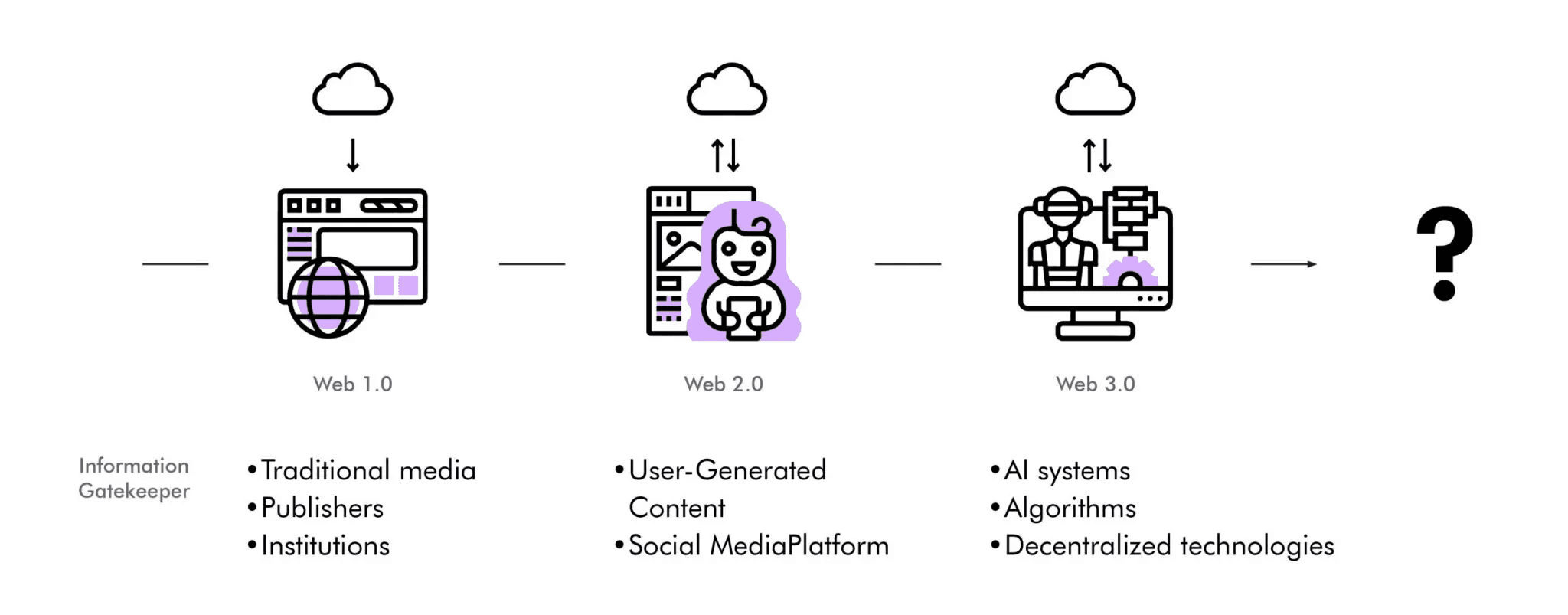
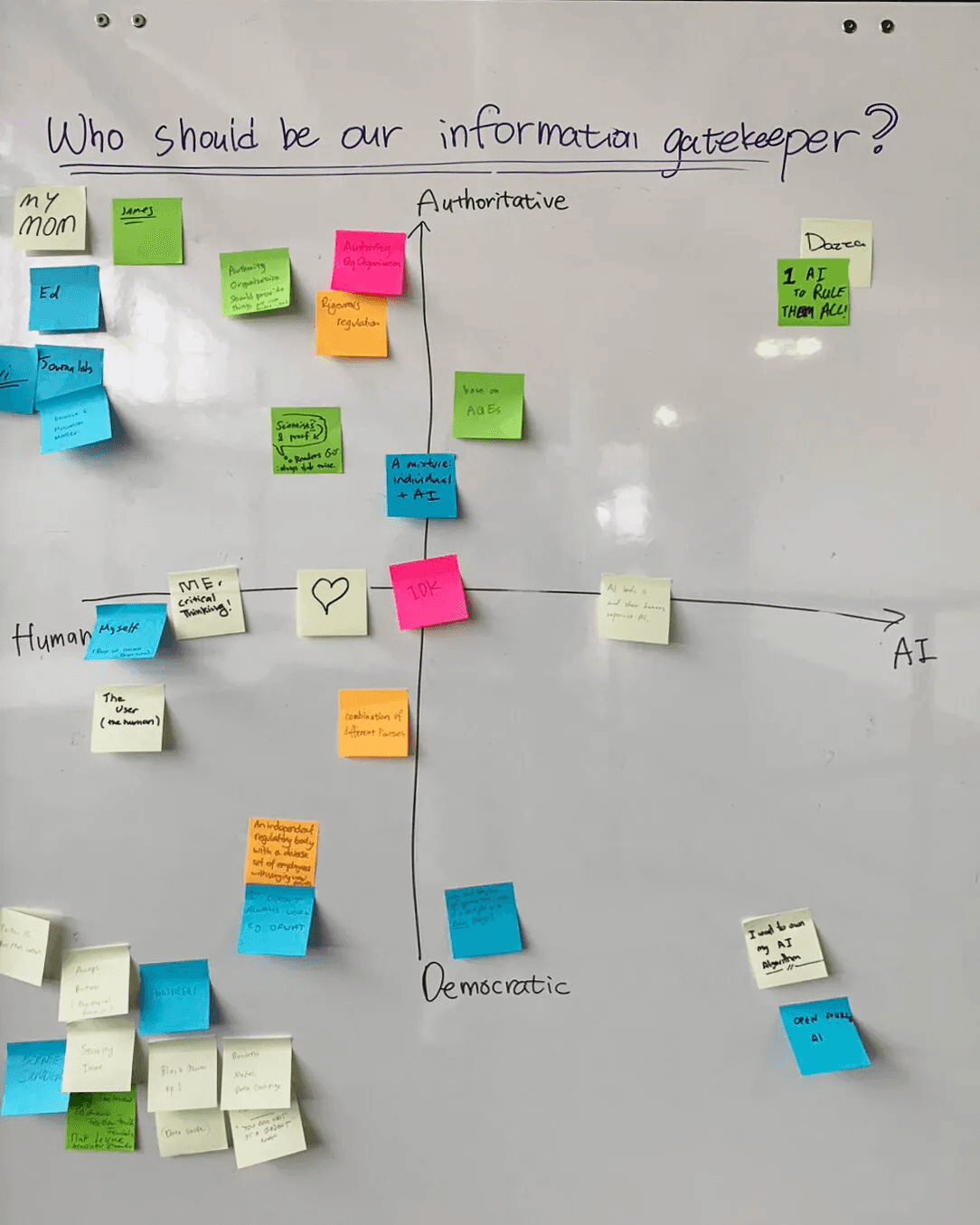
In my experiment, I discovered that the younger generation is able to discern the quality of online content. Rather than simply providing them with a categorization tool, I decided to delve deeper and address the issue of who should be controlling the flow of information.
Redefine
Final Design
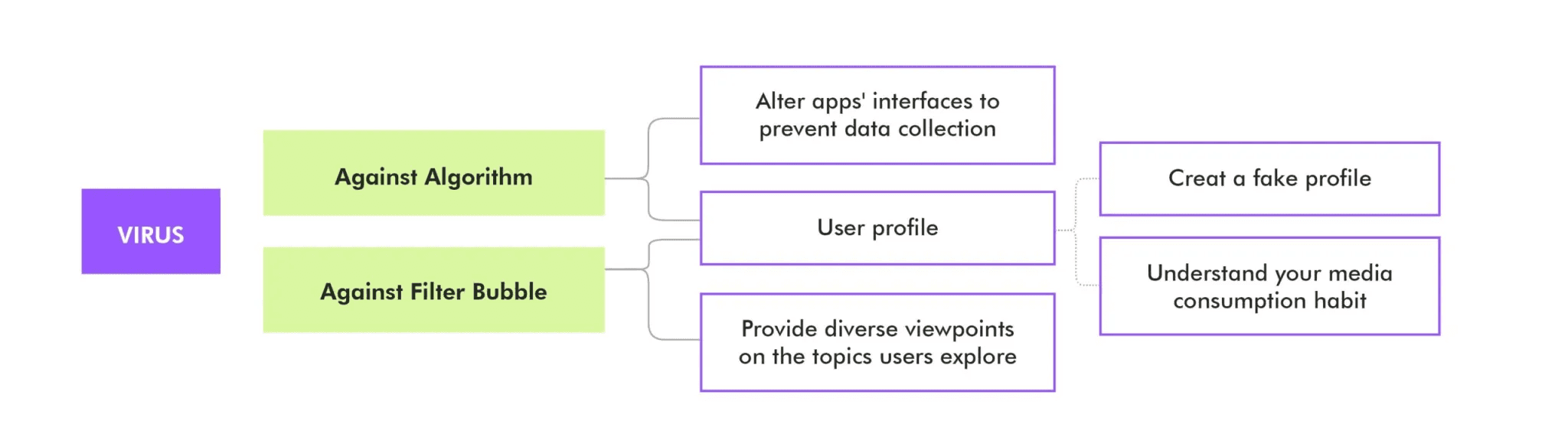
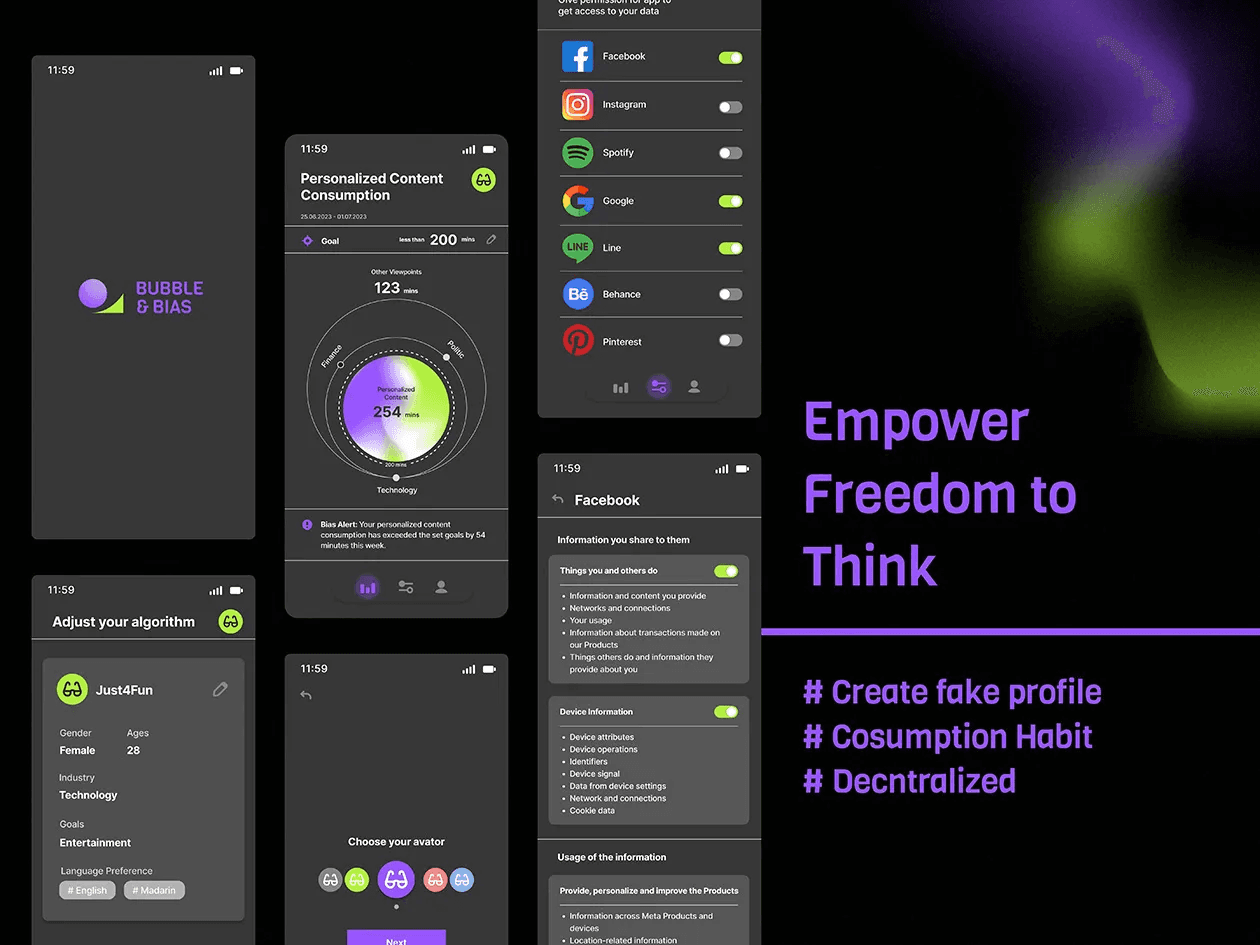
A virus that will prevent the platform from taking user's data and allow users to view the content from different perspectives.
01 | Term of Use

– “I have read and agree to the Terms” is the biggest lie on the web.
According to Statista around 97% of people between the ages of 18 and 34 don’t read these terms. It is important to note that the reason for this might have less to do with laziness and more to do with the length of these documents.
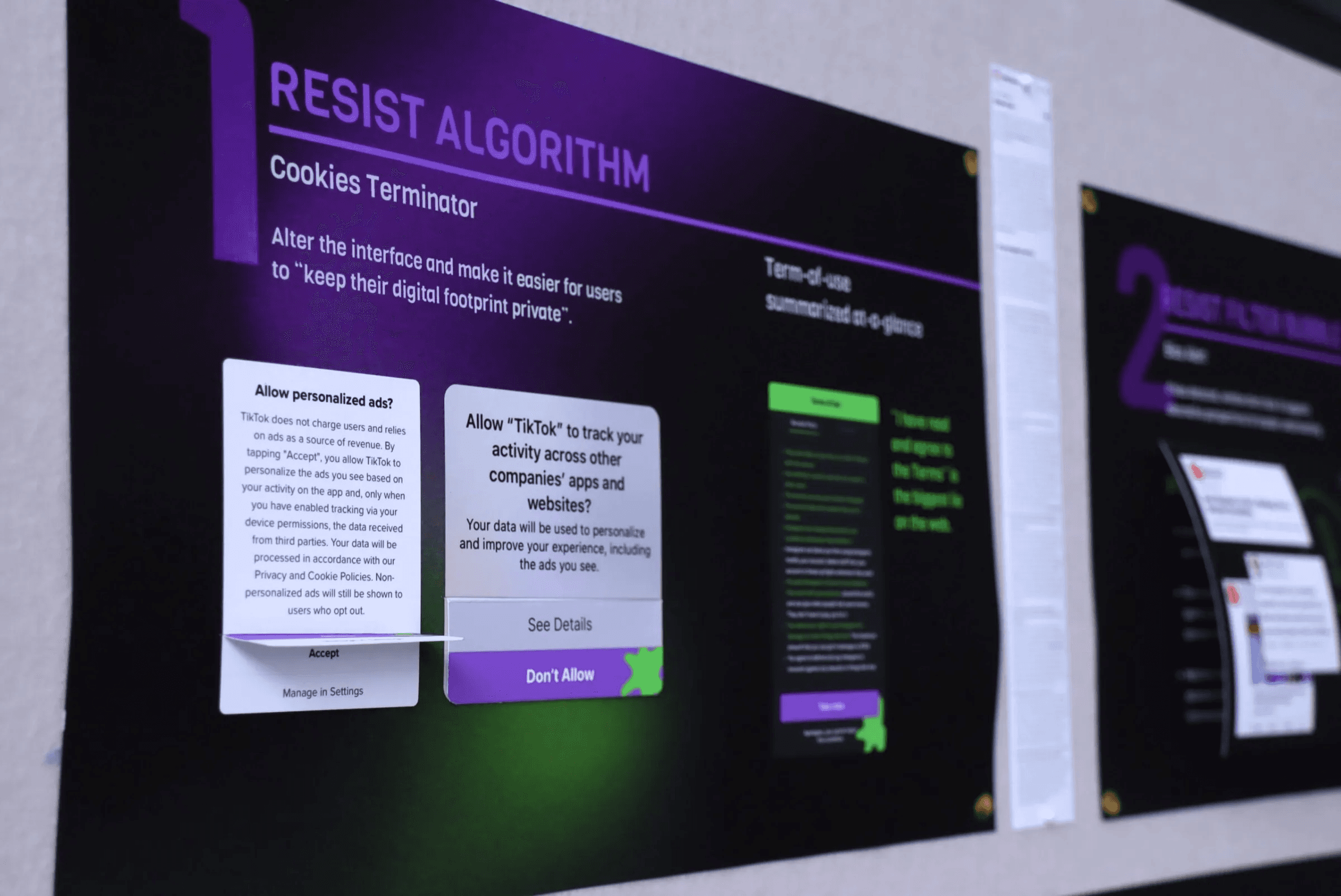
02 | Cookies Terminator

– keep your digital footprint private
Apps and website try their best to collect users’ data by design the interface in a way that make users prone to click “accept”. The virus alter the interface and make it easier for users to “keep their digital footprint private”.
03 | Bias Alert

– get access to more diverse perspctive
If bias is detected, the window alerts bias and suggests alternative perspectives for broader understanding.
Deployment
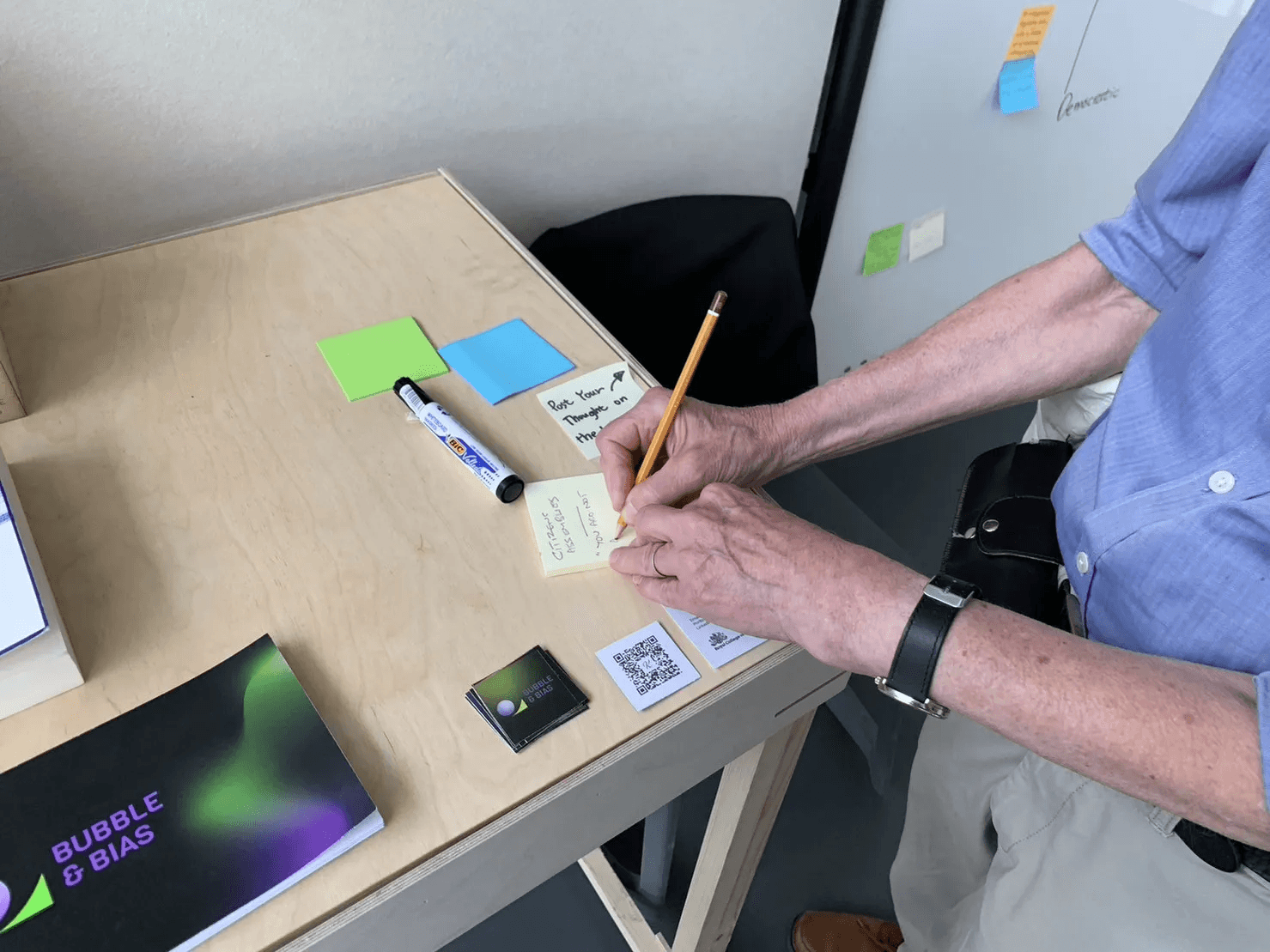
During our grad show, I presented my project to the audience. I received plenty of useful feedback through engaging conversations and opinions. People find this issue relevant and crucial, prompting them to actively discuss it. Some even inquired if it’s a “real app” that they can download as they expressed a genuine desire to use it.

Reflection
Reasons for its success
During the WIP show, this project sparked engaging conversations and prompted individuals to contemplate the present state of the topic. It also presents a promising opportunity for development into a viable market product, aligning with my initial objective of raising awareness and fostering change.
Lessons learned from this project
In this project, I ventured into a new approach to critical design. Many existing critical design practices tend to be extreme and artistic, making it difficult for me to relate. As a result, I chose to narrate the story in a manner closely tied to our everyday lives, such as the consent button and terms of use. This design challenges enterprises’ business model of collecting and selling user data to enhance platform experiences or generate revenue. Nevertheless, it highlights the importance of safeguarding our data privacy and our ability to access previously unfamiliar information (like being in a library).